Executive protection starts before an officer meets the principal: planners need accurate information, a documented risk assessment, and clear authority for changing the plan. By following the process from intake through review, you can judge whether a proposal covers actual exposure, assigns the right roles, and provides usable emergency decisions rather than promising a vague level of protection.
Key takeaways
- Start with a confidential brief, documented risks, and clear information-access rules.
- Build the plan around threat level, itinerary, venues, routes, and response options.
- Match staffing and roles to exposure, movement patterns, and site responsibilities.
- Review incidents and changes after deployment, then adjust coverage and procedures.
What happens during the first client brief and risk assessment?
The first brief establishes the facts before anyone recommends a staffing level. The executive protection process starts with a confidential intake, documented risk assessment, and agreement on who may receive the information.
1. Record the executive’s identity, preferences, residences, offices, family exposure, itinerary, travel modes, public appearances, known threats, hostile communications, and accidental disclosure of travel plans.
2. Map critical assets and exposure at home, work, during travel, and at events. Test vulnerabilities such as access gaps, predictable routines, weak communications, and uncontrolled information sharing.
3. Examine stalking, targeted violence, kidnapping, protest disruption, and hostile surveillance. Assess each threat actor’s intent, capability, access, timing, and likely consequence.
4. Rate risk by likelihood and impact, then rank priorities: intelligence, information control, transport, venue measures, medical support, or protective presence. Identify the accountable client representative who accepts residual risk.
These business executive security steps produce a treatment plan, not a preset number of guards. The findings determine whether the need is a protective driver, close protection, advance work, residential coverage, or a larger detail.
How does the assessment become an executive security plan?
The assessment becomes a written executive security plan by converting findings into objectives, risk ratings, protective layers, and actions. The executive security planning document states what the team protects, which risks remain, who accepts them, and how posture changes when exposure rises.
It records:
- Primary and alternate routes, secure pickup points, safe locations, hospitals, police stations, and emergency-service contacts.
- Communications channels, call signs, code words, check-in times, and backup methods if radios or mobile networks fail.
- Medical considerations, required equipment, confidentiality controls, and need-to-know access to itineraries, residences, vehicle details, and health information.
- Emergency actions: shelter in place, evacuation, extraction, aborting an appearance, or relocating the principal.
The plan assigns decision authority before pressure arrives. It names who can change an itinerary, suspend an appearance, close a venue, contact law enforcement, relocate the principal, or accept remaining risk. A verbal understanding is not enough; the operations order must record those permissions and confirmation points.
Pre-agreed triggers connect events to specific changes in staffing, visibility, transport, venue controls, or cancellation. A credible threat, changed destination, public controversy, major event, new workplace, or unreliable local response must produce a stated action. That trigger-based structure makes the executive protection process responsive instead of fixed.
How do advance teams and route planners prepare the operating environment?
An advance team turns a venue, residence, workplace, or travel point into an operating picture before the principal arrives.
Executive security planning examines arrival and departure points, parking and vehicle staging, pedestrian approaches, elevators, stairwells, public and service entrances, controlled-access doors, emergency exits, fire procedures, shelter locations, medical facilities, police access, and signs of hostile surveillance.
1. Inspect each location and record who controls access, which doors remain open, where a person could approach unseen, and how staff would respond to fire, medical emergencies, evacuation, or a suspicious person.
2. Build a movement plan with a primary route, a viable alternate, and emergency options. Mark traffic conditions, choke points, parking, secure pickup and drop-off areas, vehicle handover points, driver contingencies, and procedures for vehicle failure or communications loss.
3. Test the plan against the day’s conditions. Avoiding predictable routines can reduce exposure, but unbriefed route changes create confusion and delay.
Reconnaissance must change the written route plan; it is not a box-ticking exercise. Business executive security steps become a site plan or briefing shared with venue security, reception, transport, and emergency-management contacts, including decision points and who can approve a change or abort movement.
How are staffing levels, roles, and deployment coverage decided?
Staffing follows assessed exposure, movement pattern, venue complexity, medical needs, working hours, geography, and recovery requirements—not a universal headcount. A routine protective-driver assignment is different from close protection, an advance team, residential security, or a larger detail covering several risks at once.
- A protective driver handles secure transport, vehicle checks, route changes, and movement contingencies.
- Close-protection officers stay with the principal, manage proximity, access, crowd movement, and emergency extraction.
- Advance personnel inspect venues, routes, entrances, parking, exits, medical options, and hostile-surveillance indicators before arrival.
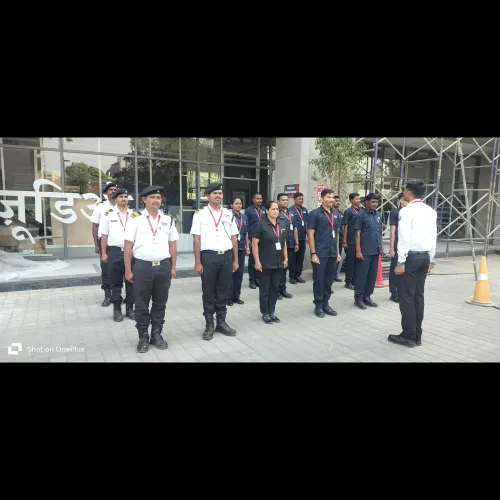
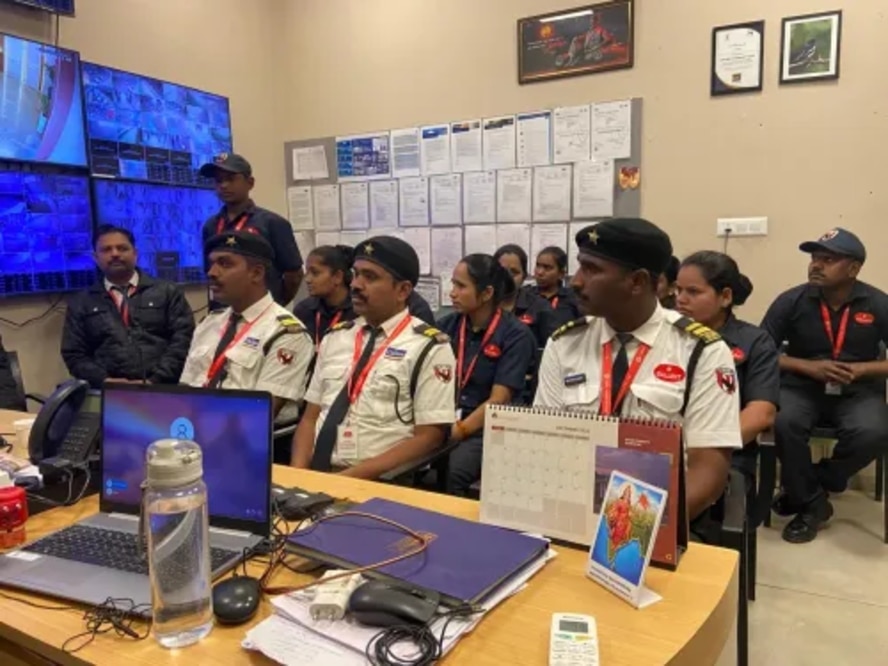
- Control-room support tracks movements, intelligence, communications, and incident escalation; relief staff cover breaks, fatigue, leave, long hours, and simultaneous locations.
The executive protection process must include handover points and overlap between shifts. A single officer cannot provide continuous coverage without creating fatigue and missed information.
Before deployment, issue a controlled briefing or written operations order covering the threat picture, principal preferences, roles, communications, routes, venue layout, medical plan, media and crowd issues, code words, emergency actions, and authority to abort or change the plan. These business executive security steps prevent verbal assumptions from becoming gaps.
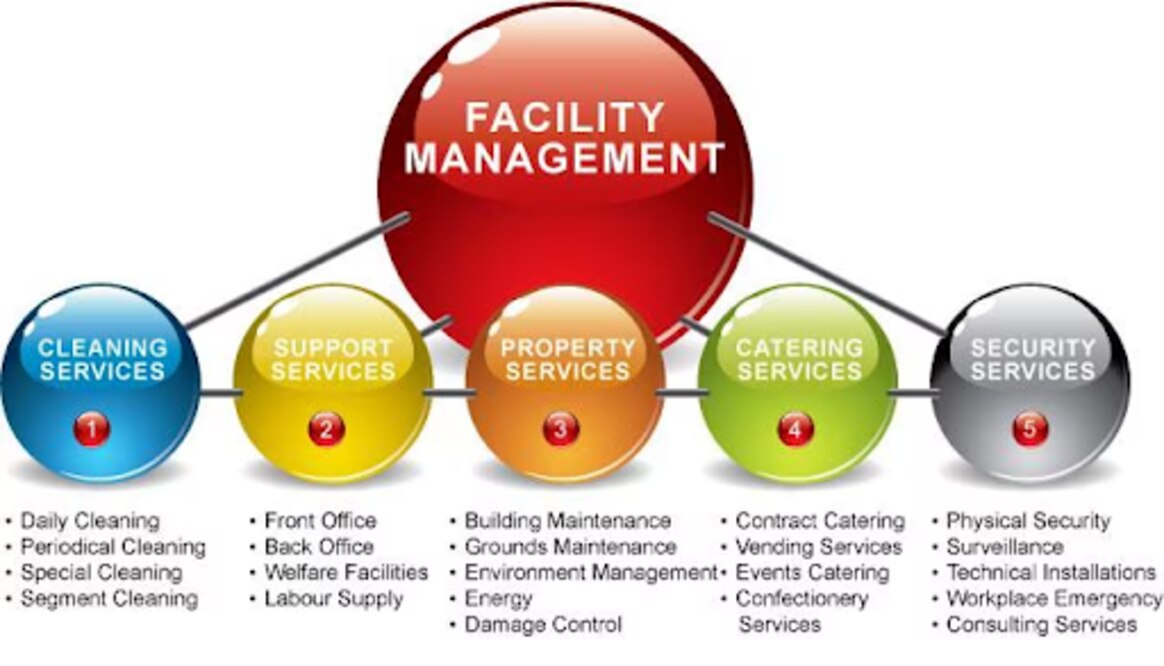
Gallent Security Services can coordinate security personnel with transport, reception, facility, and support functions when one operating structure is safer than disconnected contractors.
Related product
 | Executive Protection Gallent Security Services offers comprehensive Executive Security services, catering to the personal security needs of both VIP and non-VIP... View product → |
How are facility coordination, information control, and service responsibilities managed?
An executive protection process must integrate with the host’s controls, not bypass them. Protection personnel coordinate with access control, visitor management, CCTV, fire-life-safety, evacuation, and business-continuity teams; any exception requires written authorization because an improvised bypass can create safety and liability problems.
Define responsibility for these parties:
- The protection provider: staffing, briefings, communications, incident reports, substitutions, equipment, and response.
- The executive assistant or travel office: itinerary changes, advance notice, principal preferences, and approved information sharing.
- The host facility: reception, access credentials, CCTV coordination, emergency procedures, venue security, and evacuation.
- The transport supplier: vetted drivers, vehicle identifiers, staging, handovers, maintenance, and contingency vehicles.
- The client security or risk function: approvals, risk acceptance, escalation, law-enforcement liaison, and emergency decisions.
The service-level agreement must state coverage windows, advance-notice requirements, substitutions, incident reporting, confidentiality, subcontractor controls, insurance, equipment, response expectations, and emergency authority. “24/7 protection” says nothing about staffing, location, response time, or standby coverage.
Restrict itineraries, residence details, vehicle identifiers, credentials, medical information, photographs, and team communications to need-to-know recipients. Use approved channels, retention periods, and secure deletion or return. For international assignments, verify local licensing, weapons, uniforms, immigration, radio use, data protection, surveillance, vehicle operations, and use-of-force rules before deployment.
What happens after deployment, and how is protection adjusted?
After deployment, the executive protection process turns each assignment into evidence for the next one. A post-assignment review identifies what changed, what failed, and which vulnerability remains open rather than treating a quiet operation as proof that the plan was sufficient.
- Record near misses, rejected or changed plans, route and venue problems, response times, equipment failures, communications gaps, medical or emergency handoffs, and unresolved vulnerabilities.
- Track completed advances, exercise performance, overdue intelligence reviews, closed corrective actions, and successful handovers. Incident counts alone mislead: zero incidents may mean the controls prevented exposure.
- Continue protective intelligence after the first assessment by reviewing relevant threats, concerning communications, event changes, travel developments, and changes in the principal’s exposure. Assign someone to validate information, distribute it to the right decision-makers, and escalate it against defined thresholds.
- Link each pre-agreed trigger to an action in the executive security planning record. A credible threat, changed destination, public controversy, major event, new workplace, or degraded emergency response can change staffing, visibility, transport, venue controls, or cancellation criteria.
This feedback loop prevents routine activity from carrying unnecessary layers while stopping a changing threat from outrunning the response. Rebrief the team and amend the plan whenever a review closes an action or a trigger changes the operating posture.
Frequently asked questions
What happens during the first executive security brief and risk assessment?
The team gathers details about the executive, schedule, locations, travel, known threats, vulnerabilities, and information-sharing permissions before recommending coverage.
How does a risk assessment become an executive security plan?
The assessment is converted into protective objectives, staffing requirements, communications procedures, movement protocols, emergency responses, and review points.
How do advance teams and route planners prepare the operating environment?
They inspect venues, map primary and alternate routes, identify access controls and medical resources, confirm timings, and coordinate with relevant site contacts.
How are executive security staffing levels and roles decided?
Coverage is based on the assessed threat, itinerary complexity, travel conditions, venue layout, response needs, and the duties assigned to each protection role.
How are facilities, information control, and service responsibilities managed?
The plan names facility contacts, limits sensitive information to authorised recipients, defines handoffs, and separates protection duties from reception, transport, housekeeping, or other services.
Keywords